
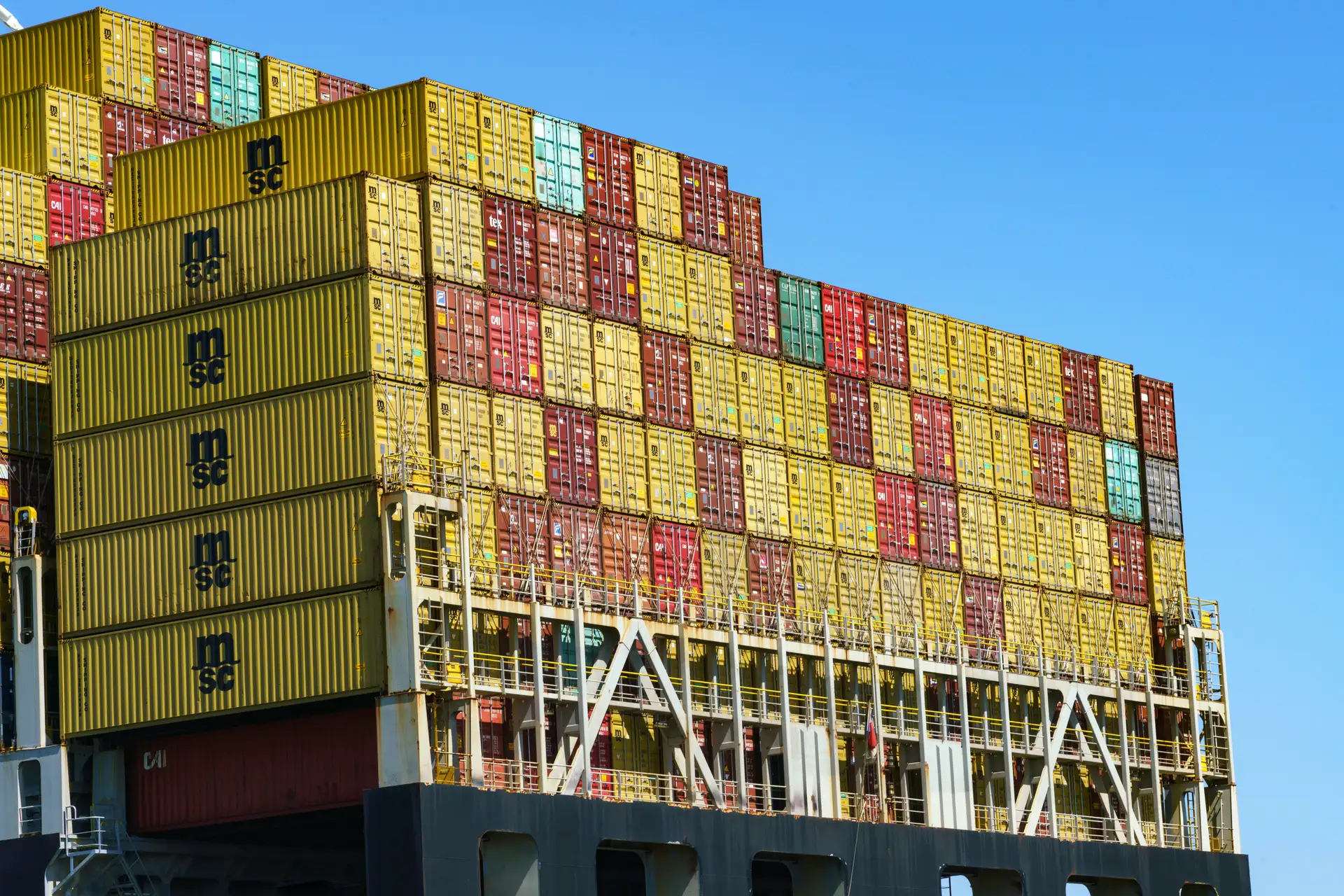
Cargo Lashing & Sea-Fastening Surveys: Complete Guide to Secure Transport of Project and Heavy-Lift Cargo
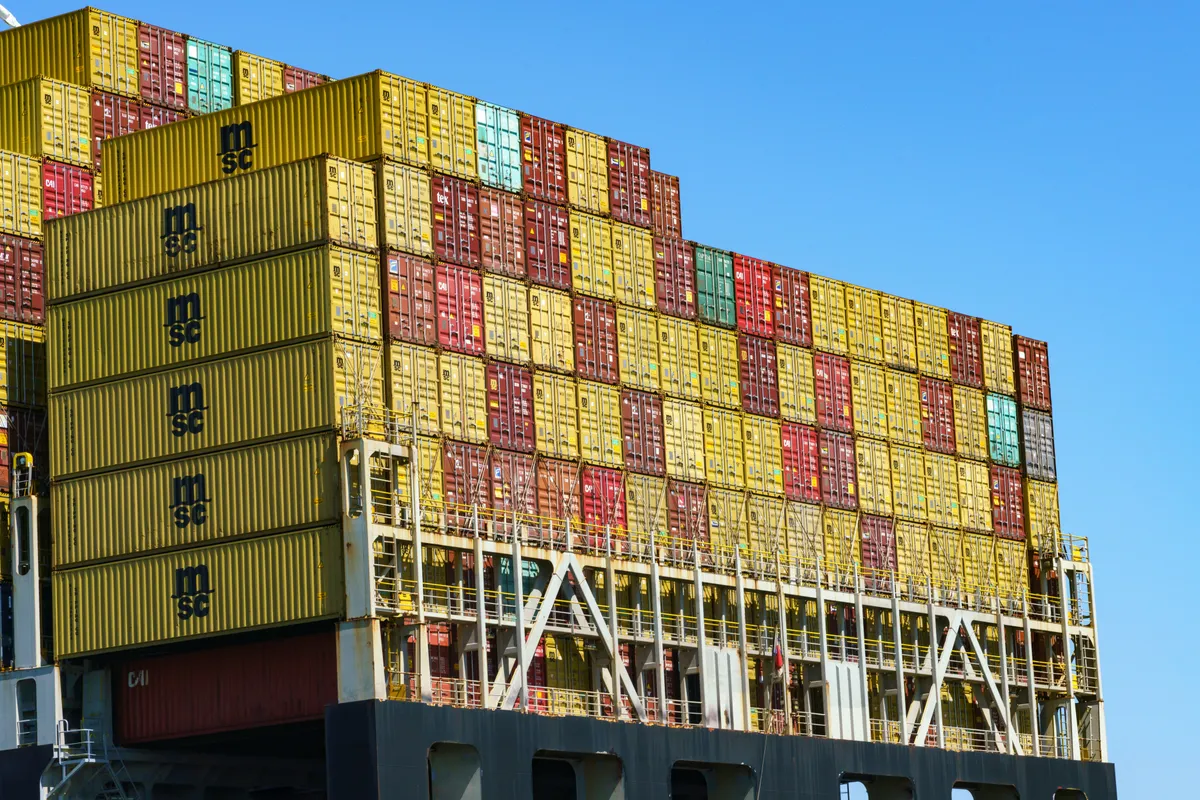
The Maritime Challenge: Understanding Why Cargo Lashing and Sea-Fastening Matter
The open ocean presents an unforgiving environment characterized by dynamic motion, substantial forces, and conditions that severely test the integrity of any securing arrangements attempted against these forces. A cargo vessel encountering rough weather experiences not merely the gentle rocking motion that casual maritime observers might envision, but rather violent, multi-directional accelerations—vertical motion as waves pitch the vessel up and down, lateral motion as waves roll the vessel side-to-side, and longitudinal motion as the vessel surges forward and backward. These accelerations can subject improperly secured cargo to forces exceeding several times the cargo’s static weight. Cargo experiencing such forces can shift catastrophically, leading to cascading consequences that extend far beyond the immediate cargo damage.
Inadequately secured cargo creates multiple categories of hazard. First and most obviously, the cargo itself suffers damage through impact damage as shifted cargo collides with hold structures, crushing damage as cargo contacts other cargo after shifting, or contamination damage if the cargo contacts other incompatible cargo or with moisture intrusion. Second, vessel structural damage results when heavy cargo shifts and impacts hull structures, bulkheads, or deck structures designed for static loading but not for the dynamic impact forces of shifting cargo. Third, and potentially most dangerous, significant cargo shift can compromise vessel stability itself. A vessel designed with cargo loaded symmetrically in designated cargo spaces achieves carefully calculated stability characteristics. When substantial cargo shifts to one side of the vessel, the vessel’s center of gravity shifts, potentially resulting in heel angles that exceed vessel design parameters and potentially resulting in capsizing.
Professional cargo lashing surveys and sea-fastening assessments represent critical risk management practices that systematically reduce these hazards by ensuring cargo is secured according to best practices, applicable codes, and sound engineering principles.
The CSS Code Framework: International Standards Governing Cargo Securing
The Code of Safe Practice for Ships Carrying Cargoes of All Kinds—universally referenced as the CSS Code or Cargo Code—provides the international framework governing cargo securing practices. Developed under the auspices of the International Maritime Organization (IMO) and adopted by maritime nations worldwide, the CSS Code establishes minimum standards for the securing of general cargo aboard merchant vessels operating in international commerce.
The CSS Code recognizes that cargo securing practices must accommodate the enormous diversity of cargo types, cargo configurations, vessel types, and operational circumstances characterizing modern maritime transport. Rather than attempting to prescribe specific securing procedures for each possible cargo-vessel combination, the CSS Code establishes performance-based standards requiring that cargo securing arrangements be sufficient to prevent cargo movement under the anticipated sea conditions of the vessel’s planned voyage. This performance-based approach requires that those responsible for cargo securing—vessel operators, loading planners, cargo securing specialists—exercise professional judgment in developing securing arrangements appropriate to specific operational circumstances.
The CSS Code requires that each cargo vessel carry a Cargo Securing Manual (CSM), a ship-specific document developed during the vessel’s design phase and documenting the securing arrangements, equipment capabilities, and securing procedures applicable to that particular vessel. The CSM includes technical diagrams showing lashing point locations, specifications for lashing equipment such as wire ropes or lashing chains that can be used, documented safe working loads for various lashing arrangements, procedures for calculating securing requirements for different cargo types, and worked examples demonstrating the required calculations for common cargo types.
Cargo Lashing Survey Components: Understanding What Professional Surveyors Examine
When maritime professionals commission a cargo lashing survey in advance of loading project cargo, specialized heavy cargo, or other circumstances requiring professional securing assessment, the surveying process examines multiple distinct but interrelated components of the vessel’s cargo securing arrangement.
Cargo Securing Manual Review: Professional lashing surveyors begin by thoroughly reviewing the vessel’s Cargo Securing Manual to understand the vessel’s securing capabilities, identify available lashing points, confirm safe working load ratings for various securing arrangements, and understand the vessel’s designed approach to cargo securing. CSM review provides the technical foundation for all subsequent securing assessment.
Cargo Characteristics and Specifications: Surveyors obtain detailed specifications regarding the cargo to be loaded including cargo weight, cargo dimensions, cargo center of gravity location, cargo fragility or special handling requirements, and cargo compatibility with various securing materials. Understanding cargo specifications is essential because securing requirements vary dramatically based on cargo weight, dimensions, and how cargo centers of gravity interact with vessel geometry.
Vessel Loading Arrangement Review: Surveyors review proposed loading plans showing where cargo will be positioned within the vessel’s cargo spaces, how cargo will be distributed across the vessel, and what the vessel’s stability will be with the proposed cargo loading. Loading plan review identifies whether the proposed arrangement complies with CSS Code stability requirements, whether the proposed arrangement allows for appropriate cargo securing, and whether special considerations apply to the particular loading arrangement.
Stowage Plan and Lashing Arrangement Assessment: The stowage plan documents exactly how cargo will be arranged within cargo spaces, including adjacent cargo positioning and how various cargo items will be positioned relative to each other. The lashing arrangement plan documents specifically where each securing device will be attached, what securing equipment will be used (wire rope, lashing chains, turnbuckles, etc.), and what securing force each device will provide. Professional surveyors review these detailed plans to verify they comply with CSS Code requirements, provide appropriate securing force for the cargo weight and anticipated voyage conditions, and utilize only equipment confirmed to be in acceptable condition and with adequate safe working load ratings.
Physical Inspection of Securing Equipment: Professional lashing surveyors physically inspect securing equipment including lashing wires, lashing chains, turnbuckles, wire rope fasteners, and other components to verify they are undamaged, properly maintained, and capable of supporting the securing loads required by the lashing plan. Equipment showing deterioration, damage, rust, or other defects may be rejected as unsuitable for use in cargo securing.
Securing Point Inspection: Surveyors inspect the vessel’s cargo securing points (lashing points, padeyes, deck rings, and other attachment points) to verify they are structurally sound, free from corrosion or damage, and capable of withstanding the forces that the proposed lashing plan will impose upon them.
Dunnage and Cargo Support Evaluation: For cargo requiring support structures or protective dunnage, surveyors assess the adequacy and appropriateness of proposed dunnage materials, verify dunnage is positioned correctly to support cargo weight distribution, and confirm dunnage will effectively prevent cargo movement and protect cargo from damage.
Weather Route Assessment: Surveyors evaluate the vessel’s planned voyage route and anticipated weather conditions that will be encountered. This assessment informs whether the proposed securing arrangement will be adequate for the specific sea conditions expected. A securing arrangement adequate for moderate sea conditions in sheltered waters might be inadequate for open ocean voyages through regions subject to severe weather. Conversely, over-securing for benign conditions represents unnecessary cost and vessel space occupation.
Calculations and Engineering Verification: Professional lashing surveyors typically employ specialized software or manual calculation procedures to verify that proposed securing arrangements meet CSS Code requirements. These calculations verify that the number and arrangement of securing devices provide adequate force to prevent cargo movement under anticipated voyage conditions. Calculations account for cargo weight, cargo dimensions, vessel motion characteristics, and anticipated wave heights on the planned voyage route.
Sea-Fastening Design and Specialized Heavy-Lift Procedures
Standard cargo lashing approaches address the needs of containers, general breakbulk cargo, and other conventionally stowed cargo. However, specialized cargo—particularly project cargo involving heavy equipment, outsized machinery, or components requiring support structures—often demands engineered sea-fastening solutions rather than standard lashing approaches.
Sea-fastening design for heavy-lift and project cargo involves development of specialized structures—typically including welded frames, support stands, and bracing structures—engineered to support specific cargo items and prevent movement. These engineered structures must be designed by qualified naval architects or structural engineers, documented in formal design drawings, and fabricated to precise specifications. The design must account for the specific characteristics of the cargo being secured, the vessel’s carrying capacity and cargo space dimensions, and the anticipated sea conditions on the planned voyage route.
Professional sea-fastening surveys include review of the engineered design by qualified structural engineers, inspection of the fabricated structures to verify compliance with design specifications, and assessment of the final installation to confirm the structures are properly positioned, adequately supported by the vessel structure, and capable of carrying the intended cargo loads.
Why Professional Cargo Lashing Surveys Deliver Critical Risk Management Value
The value proposition of professional cargo lashing surveys extends across multiple categories of stakeholders in maritime commerce, each deriving distinct but substantial benefits from professionally managed cargo securing.
For cargo shippers, professional lashing surveys provide assurance that cargo will be secured according to best practices and will arrive at destinations undamaged. Cargo damage represents direct financial loss—the damaged cargo may be unrecoverable or require expensive repair or replacement. Professional securing reduces this risk substantially.
For vessel operators and owners, professional lashing surveys address multiple concerns. First, proper cargo securing prevents vessel damage that could result from cargo shifting. Vessel structural repairs can be extremely expensive and time-consuming, potentially resulting in weeks or months of operational downtime. Second, proper cargo securing maintains vessel stability and ensures the vessel remains seaworthy throughout the planned voyage. A vessel that loses stability or becomes unseaworthy due to improperly secured cargo faces emergency at sea, potential loss of the vessel, and risk to crew safety. Third, professional securing reduces vessel owner liability for cargo damage claims that might otherwise result from inadequate securing arrangements. Fourth, compliance with CSS Code requirements and professional securing practices demonstrates due diligence that supports vessel owner defense against regulatory violations or negligence claims.
For maritime insurers and P&I clubs, professional cargo lashing surveys reduce claim frequency and loss severity. Cargo damage resulting from inadequate securing represents a significant category of maritime insurance claims. Professional securing surveys reduce both the frequency and severity of such claims, directly reducing underwriter costs.
For port authorities and terminal operators, professional cargo securing surveys reduce the likelihood of cargo-related incidents at terminals. Cargo that becomes unstable or begins shifting during discharge operations creates hazards to terminal personnel, equipment, and nearby cargo and structures. Professional securing practices reduce these operational hazards.
Common Lashing Deficiencies and Preventable Cargo Damage Scenarios
With decades of collective experience conducting cargo lashing surveys, marine surveying professionals have observed recurring patterns of securing deficiencies that create preventable cargo damage. Understanding these common deficiency patterns illustrates the practical value of professional surveying.
Inadequate number of securing devices represents one of the most common deficiencies. Cargo that could be secured with 8 properly positioned lashing wires is sometimes attempted to be secured with only 4 devices, inadequately reducing the burden on individual devices and creating excessive stress on securing equipment.
Improper positioning of securing devices, with devices positioned at angles that reduce their effectiveness, represents another common deficiency. Proper securing device positioning requires careful attention to geometry and angles to ensure devices function efficiently.
Use of damaged or substandard securing equipment—including corroded chain, damaged wire rope, or devices with reduced safe working loads—creates another common deficiency pattern. Equipment that appears superficially acceptable may have substantial hidden corrosion or damage that compromises its load-carrying capability.
Inadequate dunnage or cargo support structures allow cargo to settle or shift after initial loading, reducing securing effectiveness over time. Professional surveys identify inadequate dunnage before cargo loading occurs, allowing correction before the vessel departs.
Failure to account for anticipated voyage weather conditions results in securing arrangements that prove inadequate when the vessel encounters rough weather. Professional surveyors assess voyage routes and weather patterns to ensure securing arrangements address anticipated conditions.
Practical Implementation: From Survey Recommendations to Operational Reality
When cargo lashing surveys identify securing deficiencies or recommend improvements, those recommendations must be implemented within practical operational constraints. Port time is expensive—terminal operators and vessel operators face substantial daily costs during cargo operations. Recommendations that require substantial time to implement face resistance from port authorities and vessel operators focused on minimizing port time.
Professional surveyors must balance their commitment to thorough securing assessment against practical operational realities. Recommendations must be specific enough to be implementable, achievable within practical time constraints, and justified by clear safety or protecting-value rationale.
In practice, vessel masters and cargo officers typically accept surveyor recommendations readily, as these professionals understand the critical importance of proper cargo securing. Port terminal operators and cargo handlers similarly cooperate with securing recommendations when properly explained. The collaborative approach—where surveyor expertise combines with operational personnel’s practical understanding of what’s achievable within port time constraints—typically results in effective implementation of recommendations.
Zakian Surveyors: Expert Cargo Securing Assessment Worldwide
Zakian Surveyors & Appraisal Services provides comprehensive cargo lashing and sea-fastening survey services across our global surveying network. Our experienced surveyors conduct pre-loading surveys assessing vessel securing capabilities and proposed lashing arrangements, perform in-progress surveys monitoring cargo loading and securing operations, conduct post-loading surveys confirming proper execution of planned securing arrangements, and provide detailed survey reports with photographs and recommendations supporting safe cargo transport. Our expertise spans project cargo, heavy-lift operations, general breakbulk cargo, and all categories of cargo requiring professional securing assessment.
Conclusion: Cargo Securing as Risk Management Foundation
Professional cargo lashing surveys and sea-fastening assessments represent investments in maritime risk management that deliver protection extending far beyond their direct cost. By ensuring cargo is secured according to best practices and applicable codes, professional surveys prevent cargo damage, protect vessel structural integrity, maintain vessel stability and seaworthiness, and reduce maritime insurance claims. For shippers, vessel operators, maritime insurers, and all stakeholders in maritime commerce, professional cargo securing surveys provide the assurance that cargo will complete its voyage safely, intact, and on schedule.